9 Best Dx Lens For Astrophotography
Home > Photography
Best Dx Lens For Astrophotography in 2026
Nikon NIKKOR Z DX 12-28mm PZ VR | Wide-angle power zoom lens with image stabilization for APS-C size/DX format Z series mirrorless cameras | Nikon USA Model

- Versatile ultra-wide-angle zoom: From immersive and dramatic 12mm views to more natural views of a 28mm.
- VR image stabilization: 4.5 stops of built-in optical VR (Vibration Reduction) counteracts shakiness for steadier, Power zoom: Select from 11 speeds—from slow and subtle to nearly instantaneous.
- Close focus: Get as close as 11-inches from your subject.
- Convenient zoom control: Versatile options for using the power zoom of the lens, including the zoom ring on the lens, the camera’s magnification buttons, the ML-L7 Bluetooth remote (sold separately) or via the SnapBridge app. as well as NX Tether software and the MC-N10 Remote Grip (sold separately).
Nikon 35mm f/1.8G AF-S DX Lens for Nikon DSLR Cameras (Renewed)
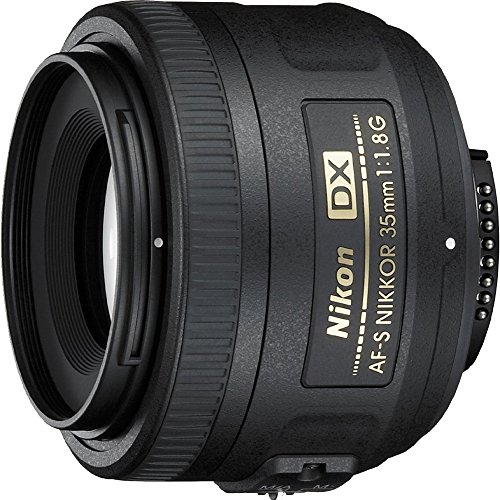
- KIT INCLUDES 1 PRODUCTS -- All Items Include Manufacturer-supplied Accessories + Full USA Warranties:, [1] Nikon 35mm f/1.8G DX AF-S Nikkor Lens - Factory Refurbished.
Nikon AF-S DX NIKKOR 18-300mm f/3.5-6.3G ED Vibration Reduction Zoom Lens with Auto Focus for Nikon DSLR Cameras

- Maximum magnification of 032x, Angle of view from 76 degree to 5 degree 20'. Focal length range: 18 300 millimeter, minimum focus distance: 16 feet (048 meter), Aperture range from f/35 to f/22, Angle of view from 76 to 520'.
Nikon AF-S DX NIKKOR 55-300mm f/4.5-5.6G ED Vibration Reduction Zoom Lens with Auto Focus for Nikon DSLR Cameras
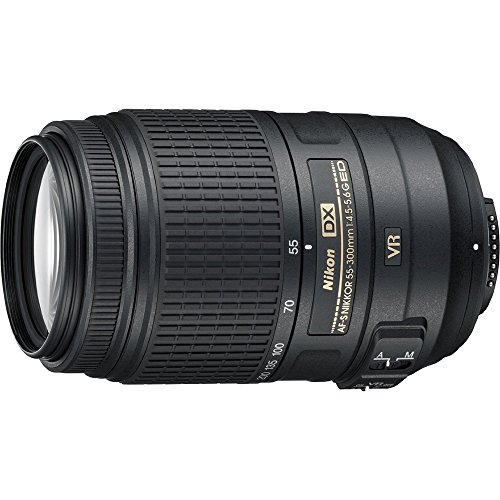
- This Certified Refurbished product is manufacturer refurbished it shows limited or no wear, Includes all original accessories plus a 90 day warranty, 5.5x Telephoto Zoom lens, Filter Thread: 58 mm, Exclusive Nikon Silent Wave Motor (SWM), Nikon VR II Image Stabilization, Tripod Detection Mode,, HRI (High Refractive Index) Lens Element, 2 Extra-low Dispersion (ED) Elements, Wall Mount.
Nikon AF-P DX NIKKOR 70-300mm f/4.5-6.3G ED Lens for Nikon DSLR Cameras, Model 20061 (Renewed)
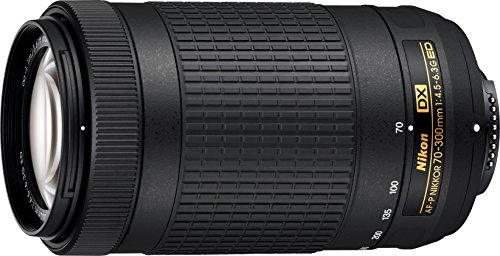
- Super Integrated Coating Pulse; Stepping Motor AF System; Access Lens Settings in Camera Menu; Rounded 7-Blade Diaphragm, Fully compatible models: D5600, D5500, D5300*, D3400, D3300*, D500 and later models (*Firmware update may be required). Compatible models with limited functions: D5, D810 series, Df, D750, D7200, D7100, D5200, Nikon 1 series with the FT1. Incompatible models: D4 series, D3 series, D2 series, D1 series, D800 series, D700, D610, D600, D300 series, D200, D100, D7000, D5100, D5000, D90, D80, D70 series, D3200, D3100, D3000, D60, D50, D40 series, film cameras.
- 70-300mm super-telephoto zoom power brings faraway subjects within reach. Capture sports, wildlife, concerts, landmarks and more with phenomenal clarity and precision, Superb optics and telephoto field of view are great for stills and HD video. Ultra-fast, near silent autofocus powered by a new pulse motor (utilizing stepping motors), This Certified Refurbished product is tested and certified to look and work like new. The refurbishing process includes functionality testing, basic cleaning, inspection, and repackaging. The product ships with all relevant accessories, a minimum 90-day warranty, and may arrive in a generic box. Only select sellers who maintain a high performance bar may offer Certified Refurbished products on Amazon.com.
Nikon NIKKOR Z DX 50-250mm VR | Compact all-in-one telephoto zoom lens with image stabilization for APS-C size/DX format Z series mirrorless cameras (standard to long telephoto) | Nikon USA Model

- 50-250mm zoom range equivalent to a 75-375mm lens in 35mm format, Built-in VR image stabilization up to 5 stops, Features an assignable control ring, Image Stabilization: Optical.
Tokina 11-16mm f/2.8 AT-X116 Pro DX II Digital Zoom Lens (AF-S Motor) (for Nikon)

- USA Version. 3 Year Tokina Warranty included. Intended for sale within the USA.
- Aperture Range: f/2.8 to f/22 Designed for Cameras with APS-C Sensors, Two Aspheric Lens Elements Two Super-Low Dispersion Lens Elements, Multi-Layer Coating 77mm Filter Thread.
Nikon AF DX NIKKOR 10.5mm f/2.8G ED Fixed Zoom Fisheye Lens with Auto Focus for Nikon DSLR Cameras

- Lens not zoomable, DX-Nikkor reduces the diameter of the lens' image circle, allowing a range of lenses with practical size and excellent performance, DX-Nikkor lenses offer compact and lightweight design, fast aperture and fast autofocus via NIKON's Silent Wave Motor design, 180 degree diagonal angle-of-view, Close range focusing up to a near 5.5 inches, Innnovative Close Range Correction ( CRC ) technology ensures consistently crisp, sharp images.
Nikon 18-135mm f/3.5-5.6G ED-IF AF-S DX Zoom-Nikkor Lens for Nikon Digital SLR Cameras - White Box(Bulk Packaging) (Renewed)

- Versatile, High power 7.5x Zoom Nikkor lens, A Nikon Extra Low Dispersion (ED) glass element delivers superior optical performance, Focus as close as 1.47 feet throughout entire zoom range, A seven blade rounded diaphragm opening, out of focus elements appear more natural, 67 millimeter Filter attachment size.
Capture the Stars: The Ultimate DX Lens Guide for Astrophotography
Discover the perfect DX lens to turn night skies into dazzling performances, with expert tips and stellar recommendations.
Why the Right DX Lens Sets the Stage for Night‑Sky Magic
Just as a lead actor needs the perfect spotlight, your camera craves a lens that gathers light, frames the Milky Way, and holds steady while the cosmos twirls. Choose wisely, and every shot becomes an encore.
Key Features to Look For
Wide‑Angle Focal Length – The Grand Stage
Astrophotography thrives on sweeping vistas. A focal range around 10‑20mm (DX equivalent) captures the horizon, the stars, and the drama in one tableau.
Large Maximum Aperture – The Brightest Spotlight
Wide apertures (f/2.8‑f/4) let more photons flood the sensor, shortening exposure times and reducing star trails. Think of it as opening the curtains wide for a full‑house performance.
Image Stabilization (VR) – The Steady Hand of a Maestro
Built‑in VR (4‑5 stops) combats camera shake on handheld or tripod‑less setups, ensuring crisp constellations even when the wind tries to steal the show.
Close‑Focus Capability – Reveal the Details
Being able to focus as close as 10‑15 inches lets you capture the texture of foreground elements (rocks, flowers) that become supporting props for the night‑sky stars.
Weight & Portability – The Agile Dancer
A lightweight, compact lens lets you chase dark sites without exhausting your crew (the bag). Balance performance with ease of travel.
Top Picks for Every Astronomer
Nikon NIKKOR Z DX 12‑28mm PZ VR
- Ultra‑wide 12‑28mm range delivers dramatic sky‑to‑land compositions.
- 4.5‑stop VR keeps the frame rock‑steady during long exposures.
- Power zoom with 11 speed options—perfect for smooth focus pulls.
- Close focus at 11 inches adds foreground flair.
- Ideal for photographers who want an expressive, cinematic feel.
Tokina 11‑16mm f/2.8 AT‑X116 Pro DX II
- Constant f/2.8 aperture—bright as a spotlight, even at 16mm.
- Two aspheric and two Super‑Low Dispersion elements deliver sharp star edges.
- Compact design perfect for backpacking to remote dark sites.
- Best for those who prioritize low‑light performance over zoom flexibility.
Nikon AF DX NIKKOR 10.5mm f/2.8G ED Fisheye
- 180° diagonal view creates a celestial dome—great for creative, immersive shots.
- Fast f/2.8 aperture and close focusing to 5.5 inches bring foregrounds into the frame.
- Lightweight fisheye shape adds a fun, theatrical distortion.
- Suitable for experimental astrophotographers who love a dramatic perspective.
Nikon NIKKOR Z DX 50‑250mm VR
- Telephoto reach (75‑375mm equivalent) for lunar and planetary detail.
- Up to 5‑stop VR smooths handheld moon portraits.
- Assignable control ring for quick focal tweaks during a night shoot.
- Great as a secondary lens when the Milky Way takes a bow and the Moon steps forward.
Nikon AF‑S DX 18‑300mm f/3.5‑6.3G ED VR
- All‑in‑one zoom covers wide to super‑telephoto—versatile for varied night‑sky programs.
- VR helps keep distant stars sharp at longer focal lengths.
- Maximum magnification 0.32× offers modest close‑up capability.
- Best for travel photographers who need a single lens to cover every act.
Practical Tips for Shooting the Night Sky
Set Up a Stable Stage
Even with VR, mount your camera on a sturdy tripod. Use a remote or timer to avoid pressing the shutter button.
Choose the Right Aperture
Open to the lens’s widest setting (f/2.8‑f/4) and keep ISO between 1600‑3200 to balance noise and exposure.
Focus on Infinity, Then Fine‑Tune
Switch to manual focus, zoom in on a bright star on the LCD, and adjust until the star appears as a pinpoint.
Keep Exposure Times Under the “Star‑Trail” Limit
Use the 500 rule: 500 ÷ focal length (in mm) = max seconds before stars start to trail. With a 12mm lens, that’s about 40 seconds.
Compose with Foreground Props
Place silhouettes of trees, rocks, or architecture to add depth. The close‑focus feature of the 12‑28mm and 10.5mm lenses makes this a breeze.
Final Bow
Pick the lens that matches your night‑time script: wide‑angle for sweeping galactic panoramas, fisheye for immersive domes, or telephoto for lunar close‑ups. With the right DX lens, every star becomes a spotlight, and your camera becomes the stage where the universe performs just for you.